
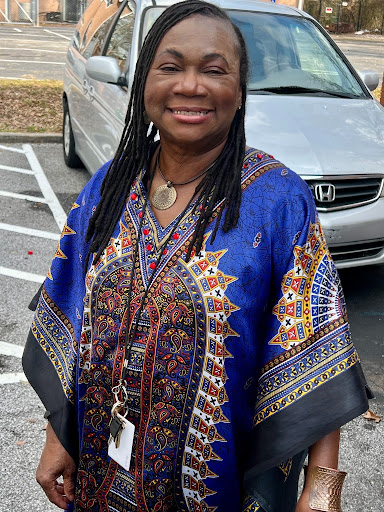
Ebony moved to Atlanta less than eight months ago.
Her daughter and son-in-law live here, along with her grandchildren. The move was meant to bring her closer to family, not to restart her financial life.
Then without any sense that it was coming, her job was eliminated.
“AI took it from me,” Ebony said. “They said my position was being automated. “That was it, and they said they wouldn’t contest my unemployment.”
She had worked in remote customer service roles since 2021. The work was consistent and required all the things she’s proud of: patience, communication, and problem-solving. Skills she assumed would always be in demand.
“I thought there would always be a need for people,” she said. “Now I’m not sure.”
After unemployment benefits ended, Ebony applied for SNAP. This is the first time in her entire life she has used public assistance.
“I never expected to be in this position,” she said. “Not at this age.”
Living with her daughter has provided emotional and day-to-day planning support. She sees her grandchildren daily. Meals are shared. But she’s made it very clear that she wants this arrangement to be temporary.
“I want my own place again. I’ve always had that,” she said. “Something I can afford, which seems almost impossible now.”
SNAP helps Ebony maintain stability while looking for work. She uses it carefully, making sure that she can maintain herself and not lean on her family.
She does not see assistance as permanent.
“This is temporary,” she said. “I’m still looking for work.”
“But if real people keep getting replaced by AI, what happens to those of us who built our careers around customer service?”
For now, SNAP functions not as a solution for her but as a very short bridge, buying her a little time in an economic world where technology has outpaced all of us.